Edith Wharton rarely returned to America after making France her home in 1907, and for a while, she considered settling in England. According to Hermione Lee, from 1908 she spent several weeks a year in England on an almost annual basis. For a time, she pursued the idea of buying a house by the name of Coopersale in Epping, but eventually decided against the idea due to the dilapidated state of the house and grounds, much to the disappointment of writer friend Henry James. Nevertheless, she was a frequent visitor, along with other prominent writers including H.G. Wells and Rudyard Kipling to Lamb House, which Henry James had made his home.
During her visits to England, Edith Wharton became a familiar presence at many stately homes. She was introduced to the residents of some of these by Henry James, others she came to through her own acquaintances,such as the Cliveden estate, home of the Astors. She made her first visit in 1908, and on a return visit in 1912 she introduced Henry James. Like the Astors and Cliveden, many of these estates had connections with Wharton’s homeland.
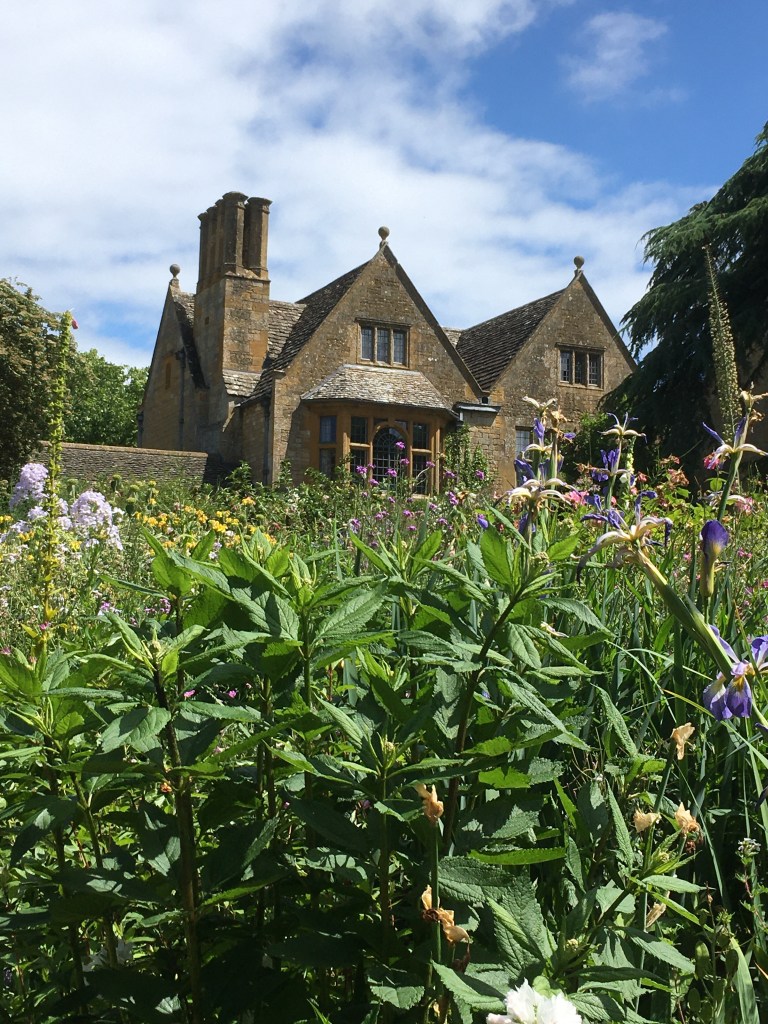
One of the houses, or rather the gardens, which most captivated Wharton was Hidcote Manor, close to Chipping Camden in the Cotswolds. Edith Wharton maintained a keen interest in house and garden design and wrote about these subjects in addition to her many novels. As early as 1897 she wrote The Decoration of Houses and in 1904 Italian Villas and their Gardens.
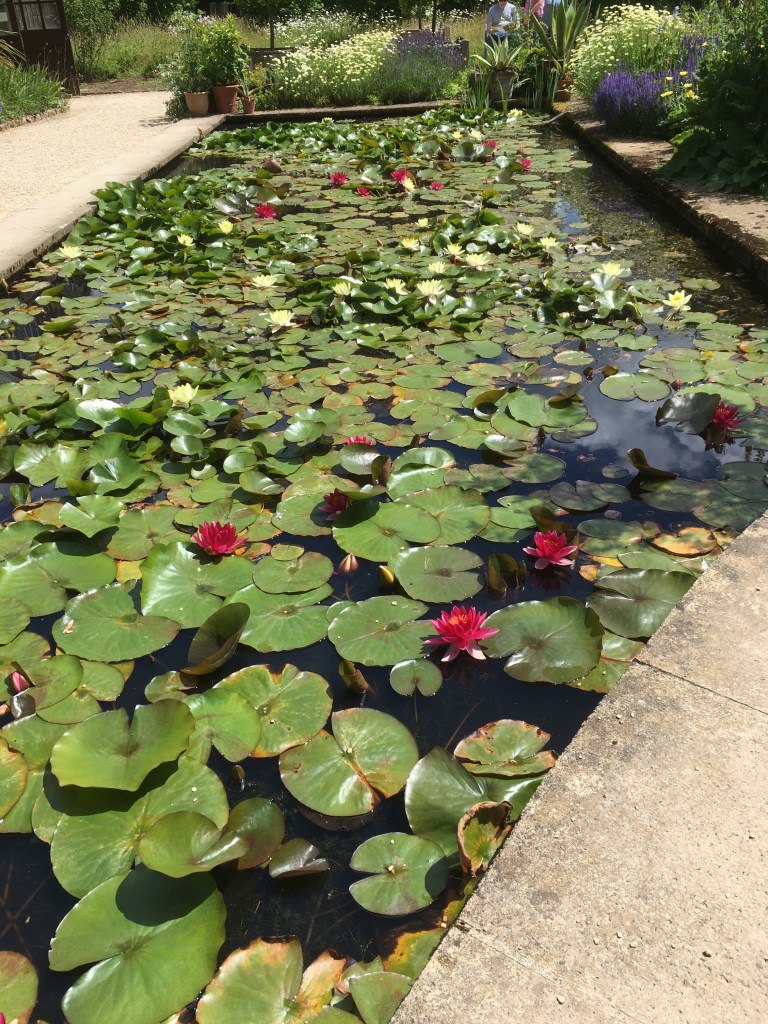
Wharton became firm friends with Major Lawrence Johnston, owner of Hidcote Manor. Johnston was also American and became a renowned horticulturalist through his dedicated garden design at Hidcote, beginning in 1907. Both were Americans making their homes in other countries, and their friendship flourished due to their shared love of gardens. Following her first visit in 1925, she became a regular guest and particularly admired Johnstone’s Arts and Crafts style gardens. Inspired by Gertrude Jekyll, Johnstone designed a series of interconnected gardens or ‘external rooms’ sometimes using distinct colour themes. Wharton herself adopted a similar style at her French home Pavillon Colombe where a narrow path connected outdoor spaces separated by hedges.
Despite Wharton’s love of England, not many of her works were set here. Some of her ghost stories made use of an English setting. Biographer Hermione Lee states Wharton thought of England as a “great rich garden” with old English houses providing a perfect setting for ghost stories. One such example is her 1910 story ‘Afterward’, a chilling tale set in a country house by the name of Stocks in Dorsetshire.
It is interesting Wharton returned to England for the setting of her final and uncompleted novel The Buccaneers. This was published in 1938, a year after her death, although the novel is set during the 1870s. The first idea for the novel came to her whilst visiting Tintagel, Cornwall in the summer of 1928. The plot of the novel takes a topic which also interested Henry James, namely the infiltration of American heiresses into the English aristocracy. With English country estates beginning to fall into disrepair, wealthy American young women seeking marriage provided a useful solution. Both sides benefitted with aspiring young Americans gaining a title, and declining country estates receiving a much needed injection of money.
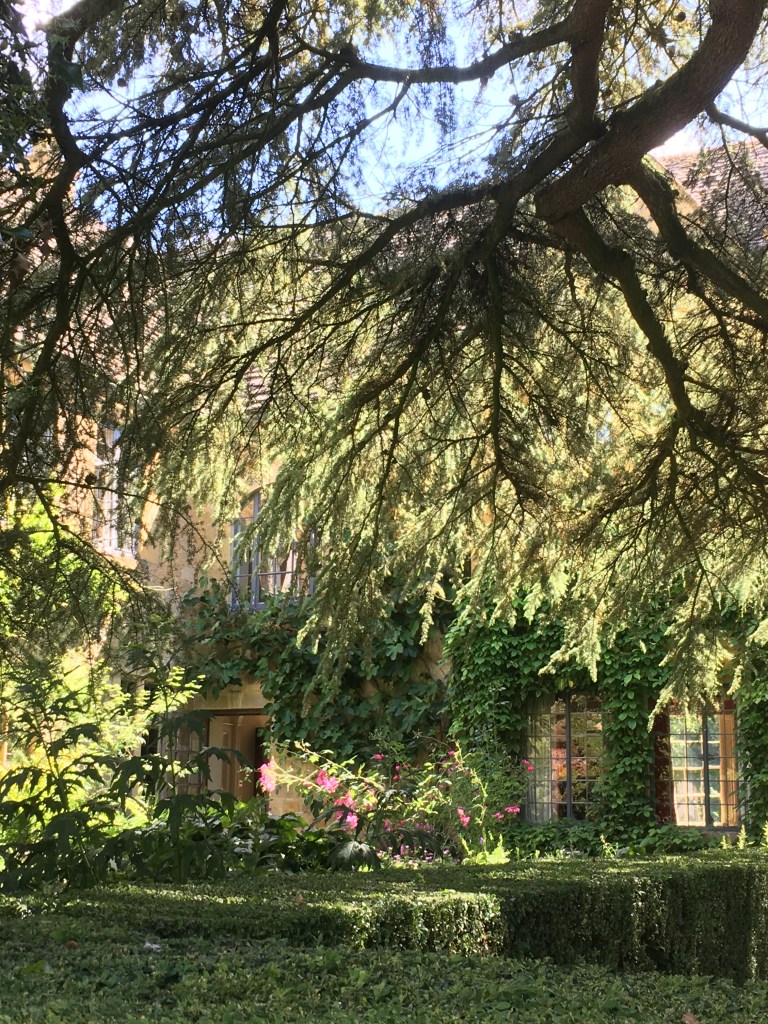
In addition to the Cornish coast, The Buccaneers also makes use of the Cotswolds as a setting. Shy heroine Nan St George finds herself in sympathy with the aristocratic Guy Thwaite, through their love of old houses. This becomes apparent during her visit to his ancestral home Honourslove, which according to Hermione Lee, is based on Stanway, another of Wharton’s favourite places to visit during the 1930s. We are told the “terrace of Honourslove had never looked more beautiful than on the following Sunday afternoon” and Nan is enamoured with the lavender borders. She reflects on how “the bricks of the walls, the very flags of the terrace were so full of captured sunshine that in the darkest days they must keep an inner brightness” (Chapter 11). I cannot help wondering whether Edith Wharton may also have been thinking of Hidcote.
 Literary Likes